
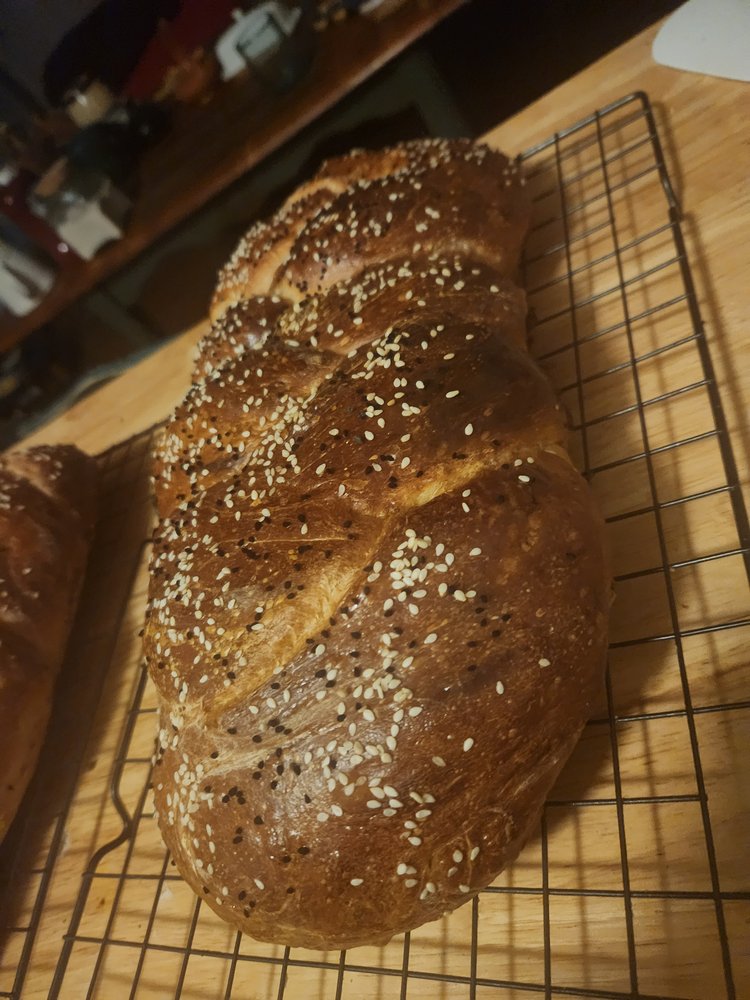
This bread won the best in show award for the whole baking category at the 2025 Killearn Cottagers’ Horticultural Society annual show. I was given custody of the “baking quaich” for the year following, before it passen on to the next winner.
The bread itself is a three strand challah with a different sweetened nut filling (pistachio, hazelnut, and pecan) in each strand. The instructions here assume you already know how to make challah (or are follwing a challah recipe of your choosing); the quaich winner was a sourdough version.
Ingredients
- Prepared challah dough, about 750 gr, risen and ready to shape.
- Nut paste fillings of your choice, about a cup of each of three kinds.
- Egg wash (one egg beaten with a teaspoon or so of water.
- Seed toppings. I used a mix of sesame and nigella seeds. Poppy seeds would also be nice. A teaspoon or so of each seed should suffice.
Instructions
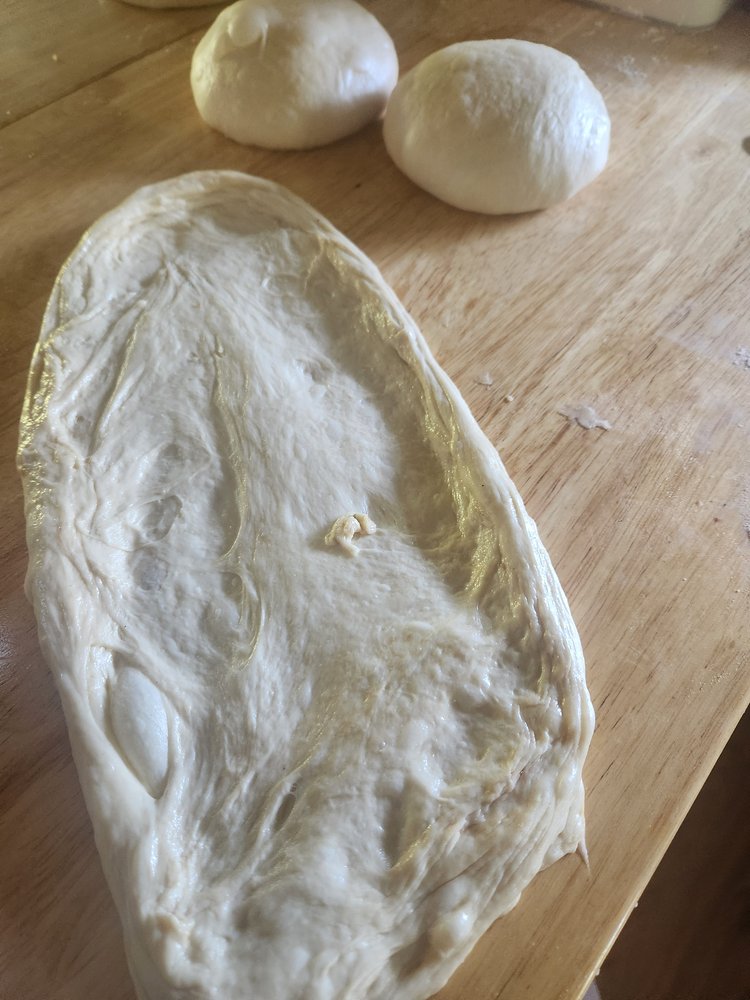
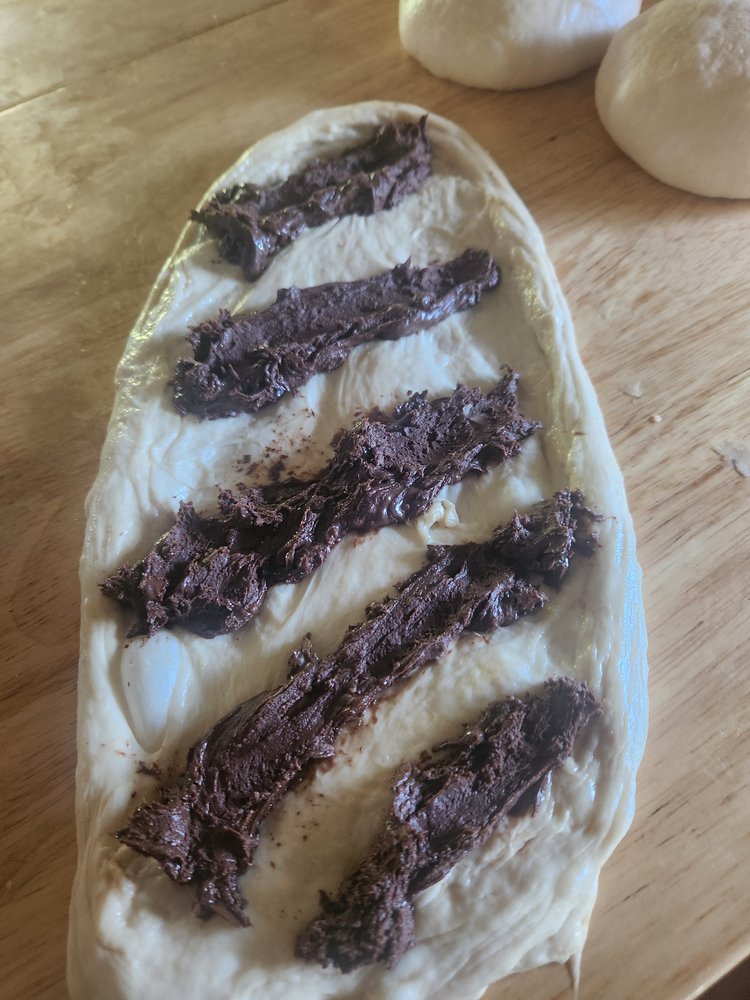
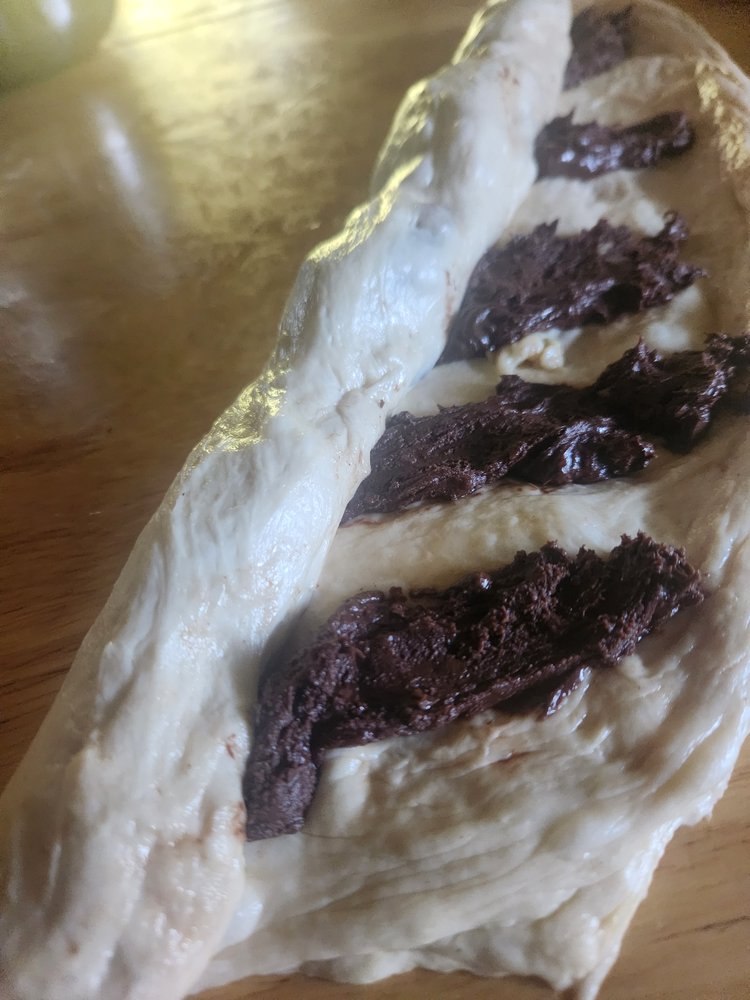
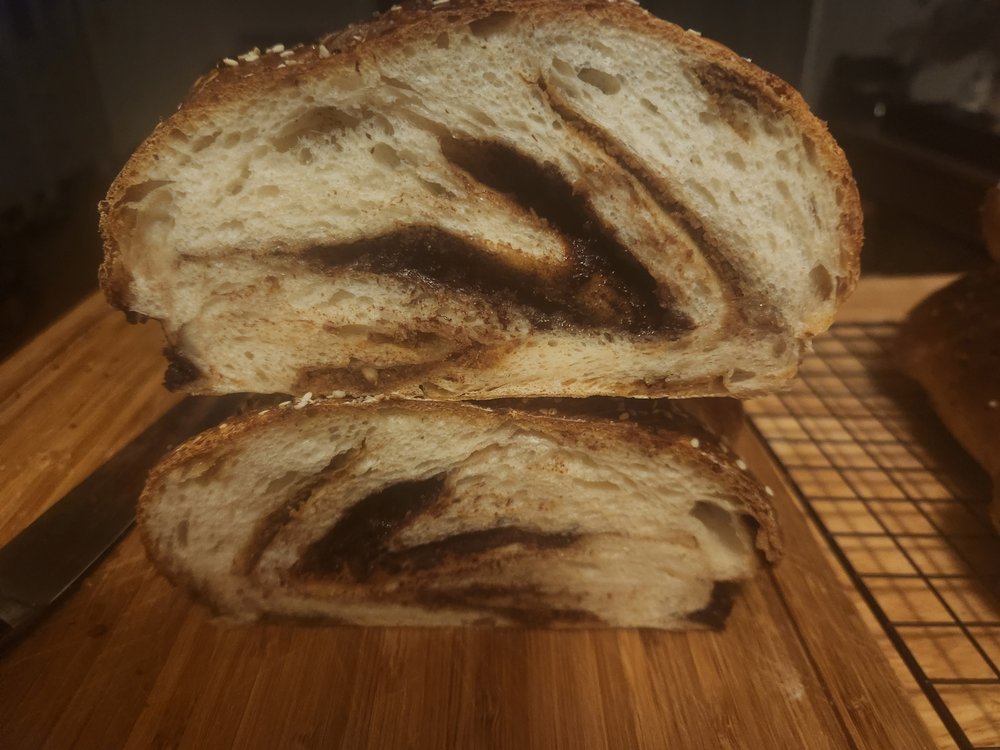
- Divide the dough into three equal portions (no need to punch it down). Stretch or roll one portion into a rectangle about as long as you want your loaf to be ( I would suggest about 40 cm) and as wide as you want. Don’t stretch it too thin though; you want it to have enough strength to contain the filling. I would recommend a thickness of 5 mm or thereabouts. Now, spread one of the fillings over the dough rectangle, leaving a cm or to bare around the edges. I also like to leave some gaps within the rectangle to help prevent large air pockets in the finished bread. Roll the rectangle like you would a Swiss roll, then pinch the edge to seal well. Repeat this with each piece of dough and nut filling. See pictures below for this step. This is the only difference from a standard challah recipe.
1a) Option: instead of rolling up your dough rectangle in Swiss roll fashion, you can form it into one big tube with the filling inside. If you do this, be especially careful pinching the edges to prevent spillage. You’ll probably want to leave the dough a bit thicker in this case too. - Pinch the ends of the strands at one end, braid them, then pinch the other ends together. Place the dough on a baking pan (you can use parchment paper if you’re worried about sticking). Tidy up the dough, then let it proof according to your challah recipe instructions.
- Brush on the egg wash, sprinkle on seeds of your choice, and bake according to your recipe. Don’t increase the baking temperature beyond what the recipe calls for, but do add 10 minutes to the baking time to adjust for the increased loaf size due to the nut fillings.
Pictures
1 Stretch or roll dough into a rectangle
1 Spread nut filling. Leave gaps between bits of filling to allow the roll to stick together when rolled. This avoids creating large air pockets, which could cause slices to fall apart when serving the bread.
1 Roll the rectangle into a Swiss roll shape. Stretch ever so slightly as you’re rolling, as this introduces a bit of tension that’ll help the dough hold its shape during shaping and proofing.
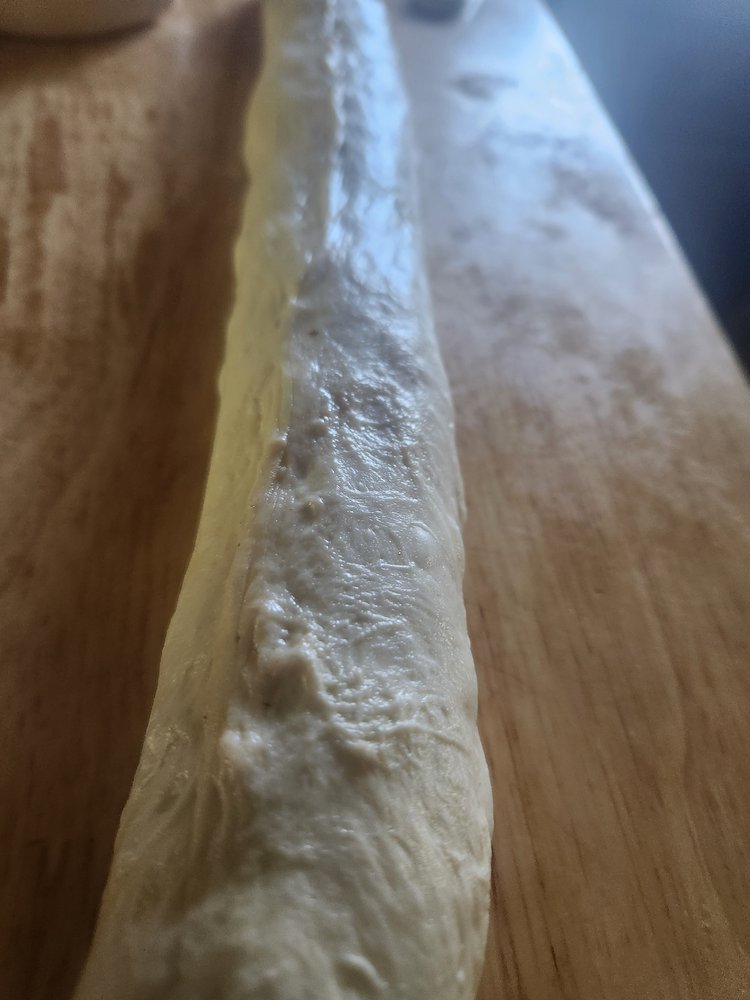
1 Pinch free edge to seal
1a Option: instead of a jelly roll, you can make one big tube. Start out as below, with all the filling in one line, then lift the dough edges up and pinch very throtroughly to seal well. Notice that I’ve left to dough thicker here as well.

2 Pinch one end of each strand together to get ready for braiding

2 Braid
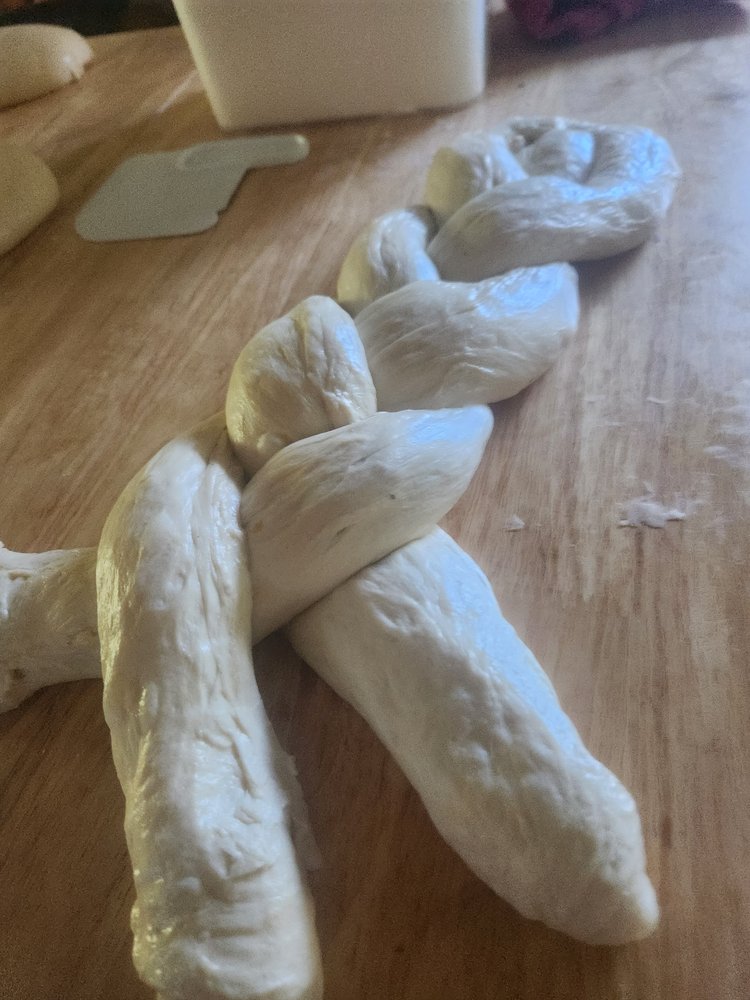
2 When done braiding, pinch the ends together to finish your loaf
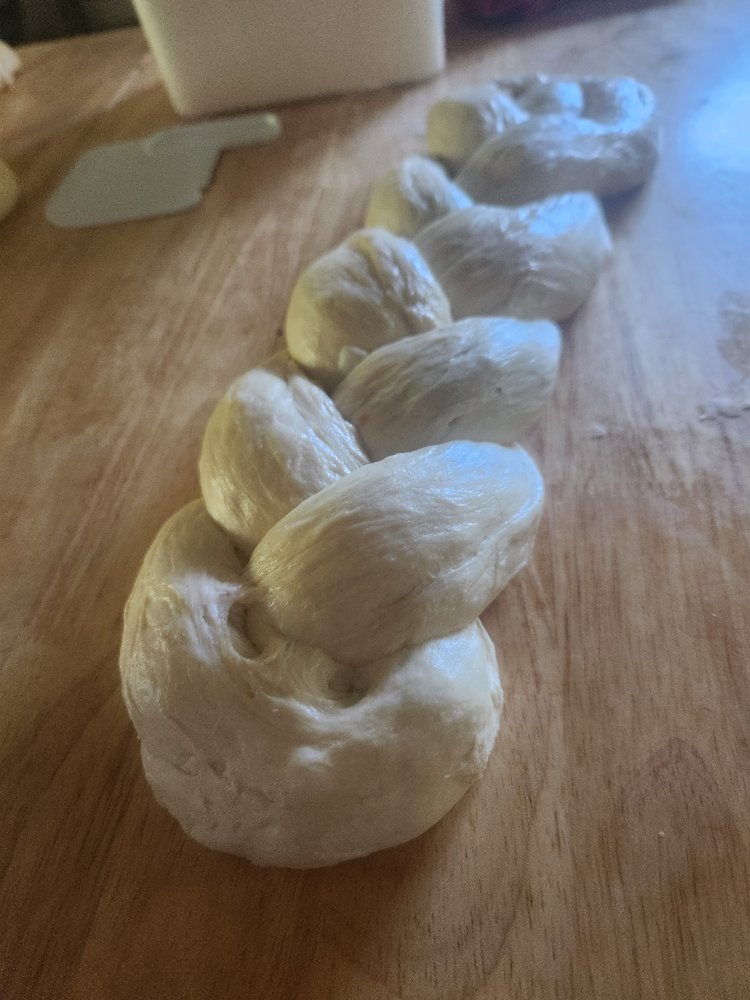
2 Place loaf on a baking sheet or pan (it is advisable to use parchment paper or a silicone liner to prevent sticking). Once on the pan, the loaf can be tidied up by gentle pushing with your palms.
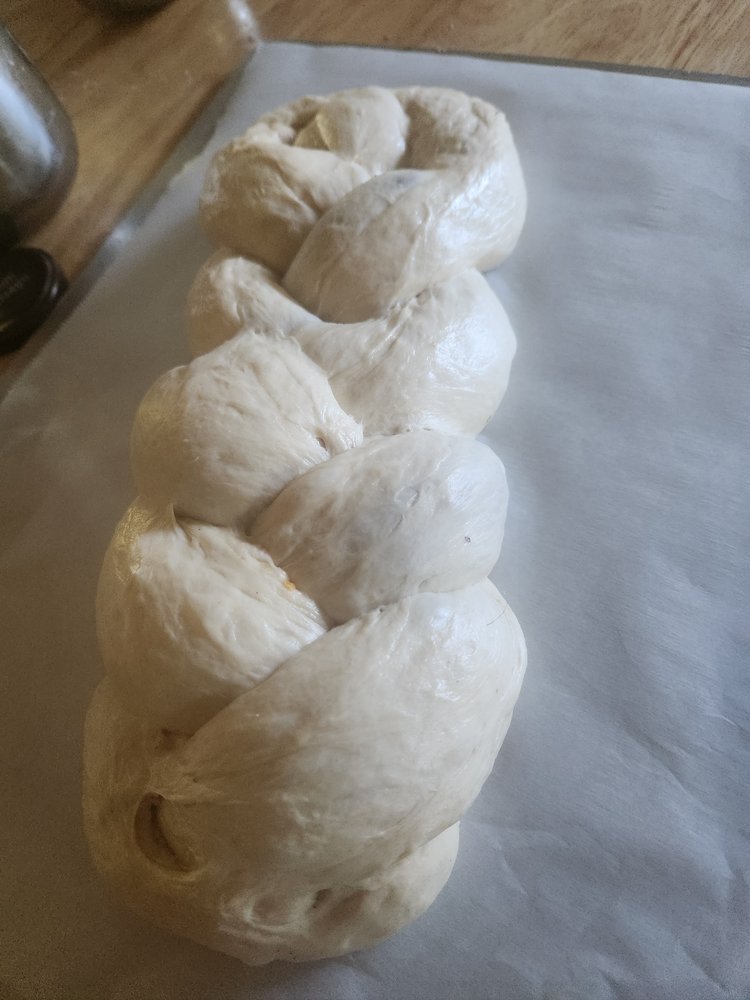
3 When the dough is proofed and ready to bake, apply egg wash and sprinkle with seeds
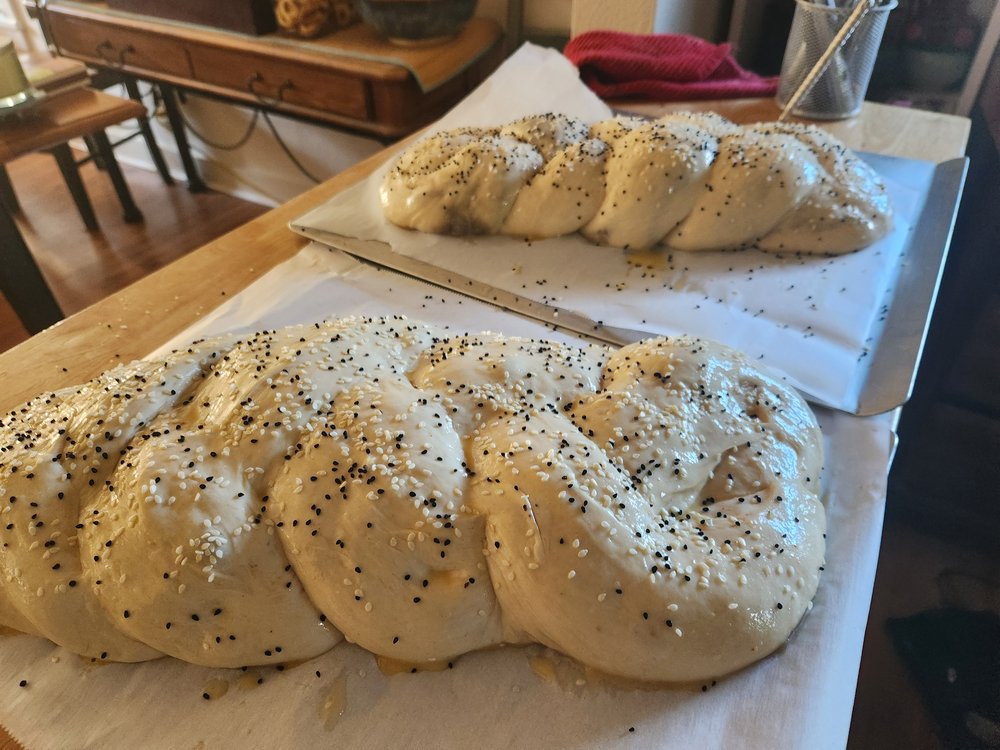
3 Bake
3 Slice showing option 1, Swiss roll style
3 Option 2, showing solid tubes of filling
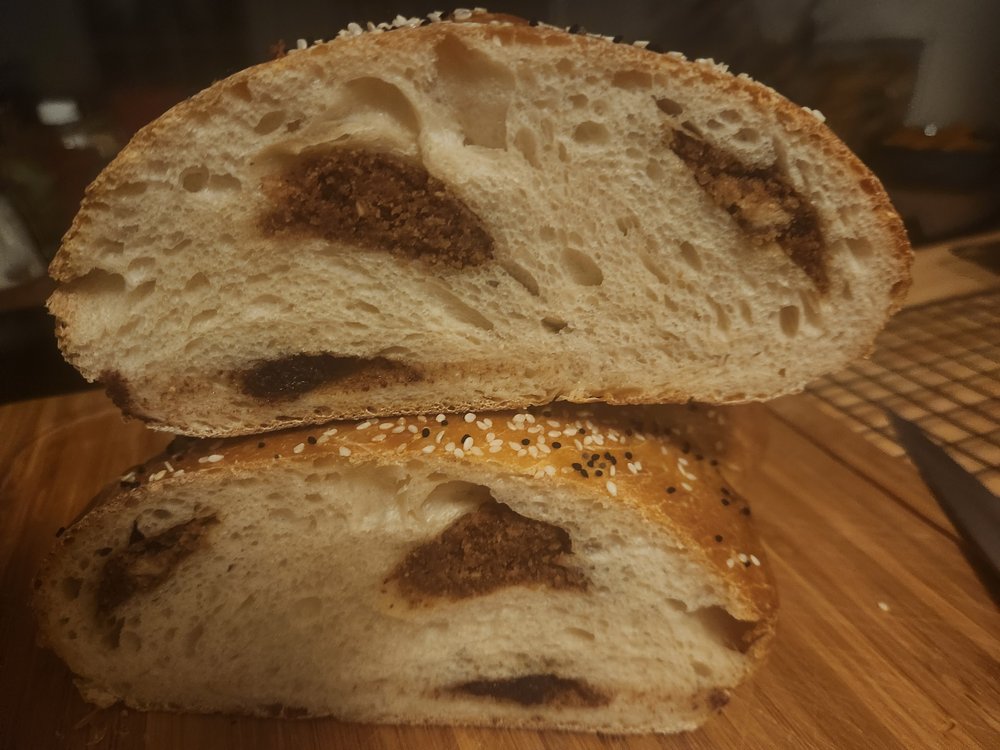
With either option, a fun element is that, as the braids twist around, you end up with the nut fillings placed differently in each slice.
Here is the baker with the 2025 baking quaich:

 random et cetera